We take a personalised approach to education

At Oliver House, we offer a tailored, therapeutic curriculum designed to meet the individual learning needs of our young people. We combine academic learning with practical skills, emotional support and personal development—helping every pupil grow in confidence and discover their strengths.

We follow the National Curriculum but it is appropriately modified to each young person’s level. The school offers a tailored curriculum for pupils in Key Stage 1 to Key Stage 5 from pre-curriculum learning to GCSEs.

Download our prospectus here: Oliver House School Prospectus 2026.
Our curriculum

With small class sizes and high levels of individual support, every young person can access learning in a way that works for them.

Subjects include:

  • English, maths and science
  • Geography and history
  • PE, PSHE and RE
  • Art, music and design technology
  • Modern foreign languages

Qualifications & Awards

  • GCSEs
  • Functional Skills
  • A Levels
  • Entry Level Qualifications
  • ASDAN
  • Junior Award Scheme (JAS)
  • Duke of Edinburgh Awards at Bronze, Silver and Gold

Curriculum Pathways

At Oliver House School, our core curriculum is delivered through two pathways, at some points the pathways can interconnect. Explore and Aspire have been thoughtfully designed to meet pupils at their developmental starting points.

The Explore Pathway focuses on developing the early skills that provide the foundation for future learning. Through purposeful play and sensory experiences, pupils are supported to build engagement, curiosity and confidence.

Learning activities help pupils develop key early skills such as attention, communication, interaction, understanding cause and effect, and learning alongside others. The pathway is based on the SCERTS framework, with a strong focus on communication, emotional regulation and positive relationships.

Staff provide responsive, individualised support, helping pupils feel safe, regulated and ready to learn. By following each pupil’s interests and strengths, adults encourage communication, self-expression and exploration of the world around them.

Over time, pupils develop greater independence, awareness of themselves and others, and the skills needed to access more structured learning, specialist college placements and, where appropriate, supported living in adulthood.

The Aspire Pathway is designed for pupils who are ready for more structured learning and increasing independence. Pupils follow an adapted National Curriculum, developing their skills in literacy, numeracy, science, humanities and communication.

Teaching focuses on helping pupils build confidence in their learning while developing important life skills such as organisation, problem solving, emotional regulation and resilience. Lessons combine clear, direct teaching with engaging activities that help pupils apply their learning in different situations.

Pupils take part in individual, paired and group activities that encourage collaboration, communication and social understanding. Through these experiences, they develop subject knowledge, self-confidence and independence.

The Aspire Pathway supports pupils to develop secure academic and life skills that prepare them for adulthood, further education and, where appropriate, future employment.

For further information about our curriculum or any questions about our quality of education, please contact us.
We are happy to provide additional details about subjects, learning organisation, and pupil progress.

Daisy Lewis-Guinness
DaisyLewis-Guinness@aspriscs.co.uk

Oliver House school uses the following examination boards for accredited and assessed qualifications (where appropriate to individual learners’ needs and pathways):
We use primary access these through AQA, Edexcel and
ASDAN (Award Scheme Development and Accreditation Network). These enable us to provide personalised, flexible programmes that recognise personal and social development, life skills, and employability.

Qualifications and awards are carefully selected to meet the needs of our pupils, offering accessible assessment methods, including portfolio-based evidence and practical activities.

Further details about course content, assessment methods, and qualification structures can be found on the relevant examination board websites or by contacting us.

Daisy Lewis-Guinness
DaisyLewis-Guinness@aspriscs.co.uk

At Oliver House School, we make sure pupils continue to feel supported and safe if they cannot attend school. Our approach to remote learning focuses on wellbeing, safeguarding, and each pupil’s individual needs.

Learning at home is flexible and personalised. It is based on each pupil’s needs and may include everyday routines, play, sensory activities, communication, and developing independence skills.

More information can be found in our Home Learning Local Procedure

Key facilities at our school

Oliver House School has been purpose-designed to be able to meet individual children’s varying needs.

The main school building is split over two levels, with the upstairs catering for young people with high functioning autism and the downstairs designed for those with more complex needs.

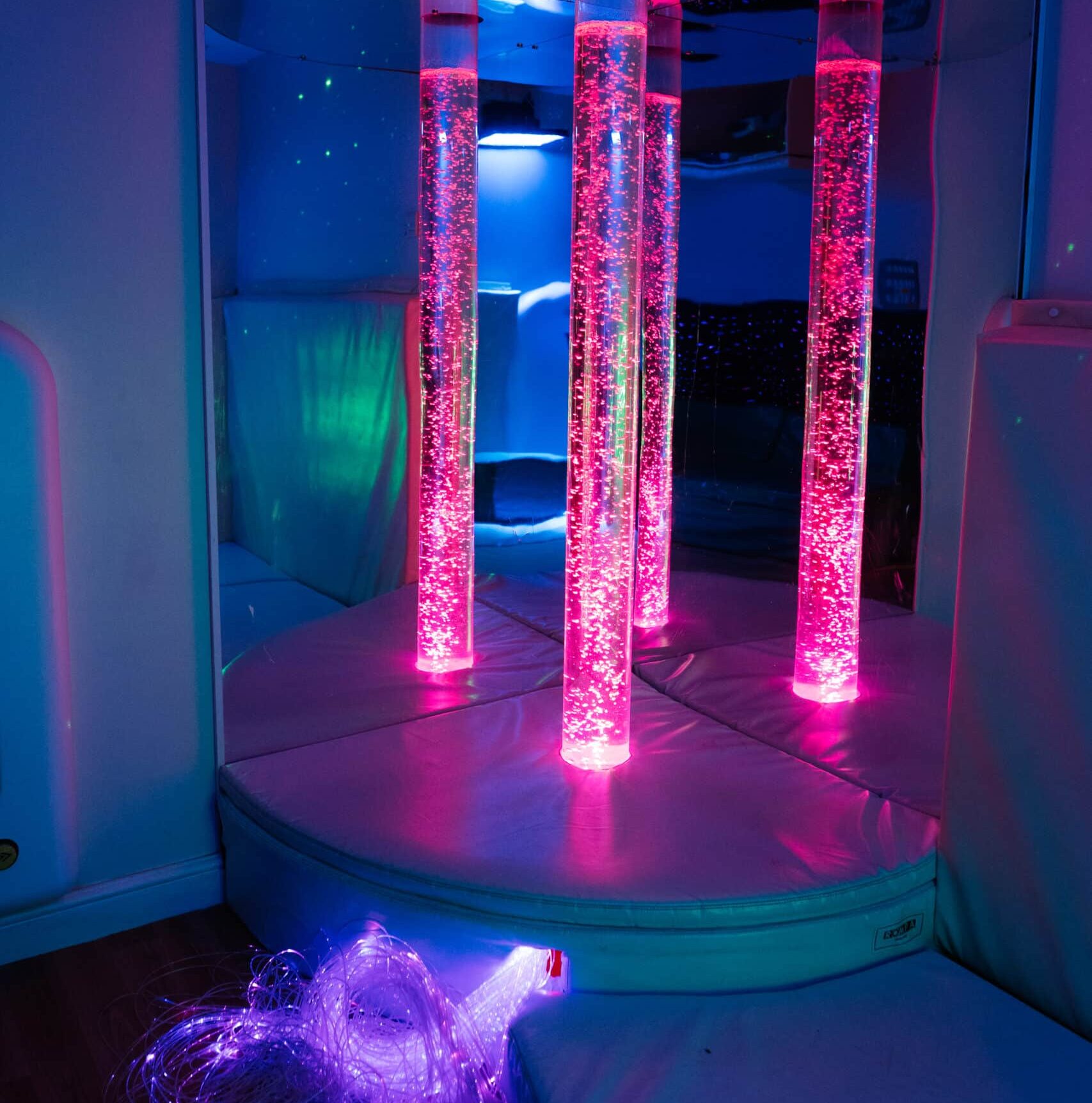
  • Sensory rooms and a dark room
  • A ball pool
  • Indoor regulation room with a swing
  • Dedicated therapy room
  • A large hall
  • Two outside play areas with trampoline and swings

Our therapy and support services

We are committed to supporting young people to express or talk about their issues through offering a range of therapeutic environments and service.

Our in-house multidisciplinary team (MDT)

We have a dedicated in-house MDT which delivers services that are tailored to young people’s needs and are available as and when they are required. The MDT comprises:

  • A behaviour analyst
  • Speech and language therapists
  • Sensory-trained occupational therapists

A multidisciplinary approach to managing challenging behaviour

Our MDT has a real input into helping young people at Oliver House School manage their behaviour. Whether an individual is demonstrating outwardly aggressive, challenging, or anxiety-driven behaviours, we will proactively work on all strategies to support them and their personal needs. Our speech and language therapists also offer training to parents/carers if they are interested in learning more about their child’s communication.

Other therapies

We also offer therapeutic services from external partners. These inlcude sensory drama, music therapy, dance, art therapy and offsite activities for regulation. Wherever possible we encourage young people to come together under a shared interest.

Academic performance and Pupil Progress

At Oliver House School, achievement is understood in the context of each pupil’s individual starting points, special educational needs and intended outcomes. Our highly personalised curriculum enables pupils to make progress across academic learning, communication, emotional regulation, independence and preparation for adulthood.

Progress is assessed through a range of appropriate measures, including progress towards EHCP outcomes, curriculum assessment, specialist assessment and accredited learning. Pupils are entered for qualifications and accreditation at personalised points according to their individual strengths, developmental profile and future aspirations.

Leaders evaluate achievement across the school through a robust cycle of assessment, moderation and review, ensuring that pupils make meaningful progress from their individual starting points and are increasingly prepared for their next stage of education, training, employment or adult life.

Accreditation pathways include ASDAN, AQA and Edexcel, where appropriate.

Want to know more?